
Currently Empty: ₦0.00

Healthy Foods Can Be High in Calories Too. Here’s How to Enjoy Them Without Overdoing It

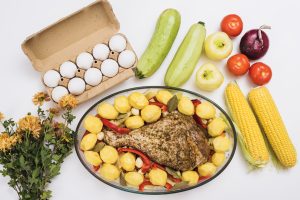
One of the most confusing things about eating healthy is that you can be choosing “good” foods and still struggle with weight goals. Say ‘hi’ if this is you, lol.
Truth is to lose weight, the calories you consume needs to be lower than the calories you expend &
healthy doesn’t automatically mean low-calorie.
This is where many people feel stuck. They’re eating nuts, avocados, seeds, oils, granola, and whole grains, yet progress feels slow. The issue usually isn’t food choice. It’s portion awareness.
Now, let’s talk about how to enjoy nutrient-dense foods without overdoing calories, and how to adjust them based on your goals.
Calorie needs vary based on age, sex, body size, activity level, metabolism, and health goals. Still, general ranges can help provide context.
General Daily Calorie Ranges
Sedentary adults:
-
Women: 1,600–1,800 calories
-
Men: 2,000–2,200 calories
Moderately active adults:
-
Women: 1,800–2,200 calories
-
Men: 2,200–2,600 calories
Very active adults:
-
Women: 2,200–2,500+ calories
-
Men: 2,600–3,000+ calories
These numbers are starting points, not rigid targets. Needs shift with stress, sleep, hormones, illness, and life stage.
Why Some Healthy Foods Are High in Calories
Calories come from macronutrients: Carbohydrates and protein provide 4 calories per gram while fat gives 9 calories per gram. Here’s how to better understand this.
100g of peanut butter typically contains
Protein: 25g = 25*4 = 100kcal
Fat: 50g = 50*9 = 450kcal
Carbohydrates: 20g = 20*4 = 80kcal
With a total of about 630kcal
Common Healthy Foods That Add Up Quickly
| Food | Typical Serving | Weight (g) | Calories (kcal) | Notes / Tip |
|---|---|---|---|---|
| Almonds | Small handful | 28g | 160 | High in healthy fats & protein; pair with fruit or yoghurt |
| Walnuts | Small handful | 28g | 185 | Omega-3s; good in salads or snacks |
| Cashews | Small handful | 28g | 155 | Rich in minerals; eat raw or lightly roasted |
| Peanuts | Small handful | 28g | 170 | Affordable protein & fat source |
| Chia Seeds | 2 tbsp | 28g | 140 | High in fibre & omega-3; soak before eating |
| Flax Seeds | 2 tbsp | 14g | 75 | High in fibre & ALA omega-3; grind for absorption |
| Avocado | ¼ medium | 50g | 80 | Monounsaturated fats; pair with protein or veggies rather than adding it to an already high-fat meal |
| Olive Oil | 1 tbsp | 15g | 120 | Use for salad dressing or light cooking |
| Palm Oil | 1 tbsp | 15g | 120 | Rich in vitamin A & E; measure carefully in cooking |
| Coconut Oil | 1 tbsp | 14g | 120 | Adds flavour; calorie-dense, so measure |
| Granola | ½ cup | 50g | 200 | Often high in sugar; choose minimally sweetened and pair with protein |
| No-added-sugar Muesli | ½ cup | 45g | 160 | Fibre-rich & balanced; pair with milk or yoghurt |
| Peanut Butter | 1 tbsp | 16g | 95 | Protein & healthy fats; portion carefully |
| Tahini | 1 tbsp | 15g | 90 | Sesame seed paste; high in calcium & fat |
| Dark Chocolate (70%+) | 20g | 20g | 110 | Antioxidants; eat in moderation |
| Cheese (hard, e.g., cheddar) | 30g | 30g | 120 | Protein & fat source; portion-controlled snack |
How to Fit These Foods Into Different Calorie Goals
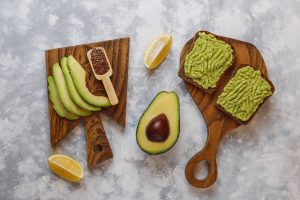
For Fat Loss (Lower Calorie Range)
-
Prioritise vegetables and protein
-
Use healthy fats in small, intentional amounts
-
Avoid stacking multiple high-fat foods in one meal
Example:
Instead of avocado + nuts + oil in one meal, choose one.
For Maintenance or Active Lifestyles
-
Healthy fats can be more generous
-
Portion control still matters
-
Balance fats with fibre and protein
Example:
Muesli with yoghurt, fruit, and seeds provides sustained energy without excess.
For Weight Gain or High Energy Needs
-
Healthy fats are beneficial
-
Larger portions can support energy demands
Example:
Adding nuts, seeds, oils, and avocado helps meet higher calorie needs without excessive volume.
Better Swaps Without Losing Nutrients
Instead of:
-
Large handfuls of nuts → Small portion + fruit
-
Heavy oil cooking → Measured oil + steaming or stewing
-
Sugar-heavy granola → Whole-grain muesli with fibre and protein
-
Fat-only meals → Fat + protein + fibre combination
These swaps maintain nourishment while keeping calories aligned with your goals.
Healthy foods aren’t the enemy, unbalanced portions are.